


When the body speaks: what is it trying to tell us?
What if the stress you feel is not
We do not experience difficult situations only in our minds.
The nervous system
Therefore, the situation may end, but the body remains in a state of alert.
This does not mean that every illness
But it means that chronic stress and difficult experiences can affect sleep, energy, concentration, digestion, mood, and the way we respond to others.

1. The danger is over, but the body doesn't know it.
Sometimes the nervous system learns from past experience that it must always be prepared.
Responses such as:
Difficulty relaxing
Constant tension
High sensitivity to situations
Quick to anger or withdraw
A constant feeling that “something is going to happen”
Do you feel like you're always on alert, even when there's no apparent danger? You can book a free 30-minute consultation to explore what you're going through and understand the patterns that are recurring in your life.
2. Many of our patterns begin as methods of protection.
A person may learn ideas such as:
In order to be liked, I must be easygoing.
If I set boundaries, I will lose others.
I must bear it alone
These ideas then turn into daily patterns:
Pleasing others
The fear of saying "no"
Suppressing anger.
To endure more than one can bear.
Feeling guilty when relaxing.
Here an important point emerges in psychology:
The behavior that causes you pain today may be the same behavior that once helped you feel safe
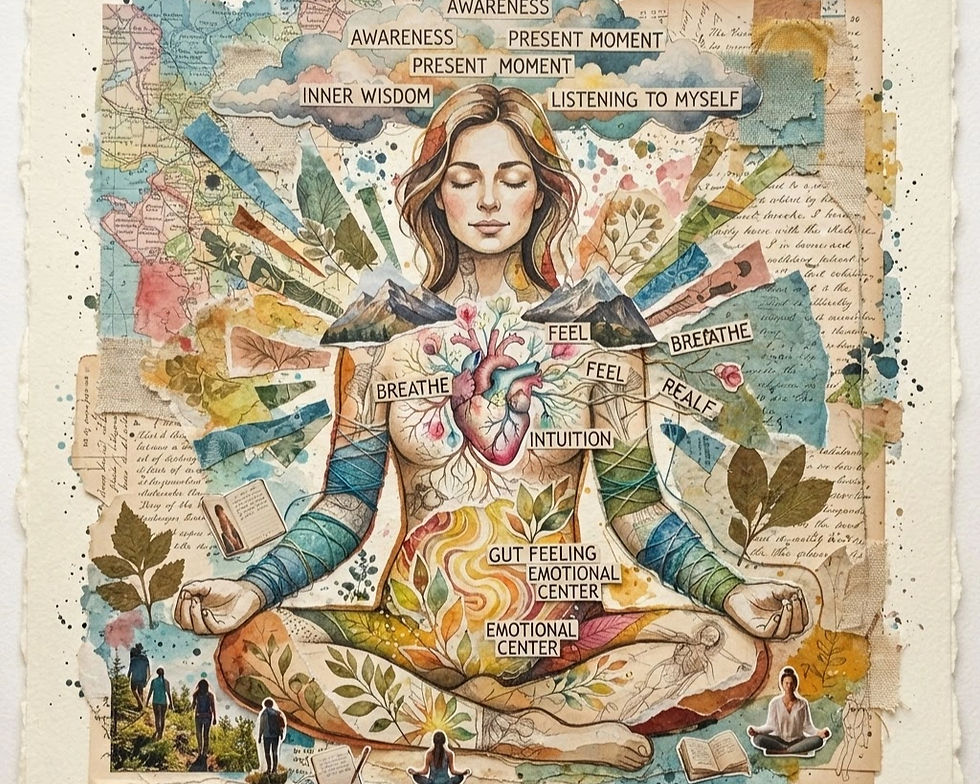
3. A simple psychological exercise: Discover the pattern before you try to change it.
Take a minute and ask yourself:
When do I feel my body becoming more tense?
Then he continued:
"At this moment, what is it that I fear might happen?"
The answer might be:
That someone would reject me.
To anger someone.
To fail.
To lose control.
To appear selfish.
Then ask:
Is this fear related to what is actually happening now… or to something you learned previously?
This simple question helps us move from automatic reaction to awareness.
If an answer comes up and you don't know how to deal with it, the first free session can be a space to understand it without judgment.
4. The goal is not to "get rid" of your feelings
Often we try to defeat anxiety, stop thinking, or ignore anger.
But feelings are not enemies.
It is information
Anger
Fear
Exhaustion
Psychological work doesn't always begin with a question:
How can I stop feeling this way?
Sometimes, the question is:
Why am I responding this way? What do you need from me?

5. When does it become helpful to ask for help?
When you notice the same pattern repeating itself:
In different relationships.
At work.
In the way you treat yourself.
Or when you know what you need but feel unable to implement it.
Here it might be helpful not to try to understand everything on your own.
You can book a free 30-minute consultation session to talk about the most recurring pattern in your life and start identifying what's behind it.
You don't need to know the diagnosis.
You don't need to know where to start.
It is enough to know that there is something that no longer suits you as it once did.
Book your free session and start with one question: What is something that keeps repeating itself in my life even though I no longer want it?


Comments